





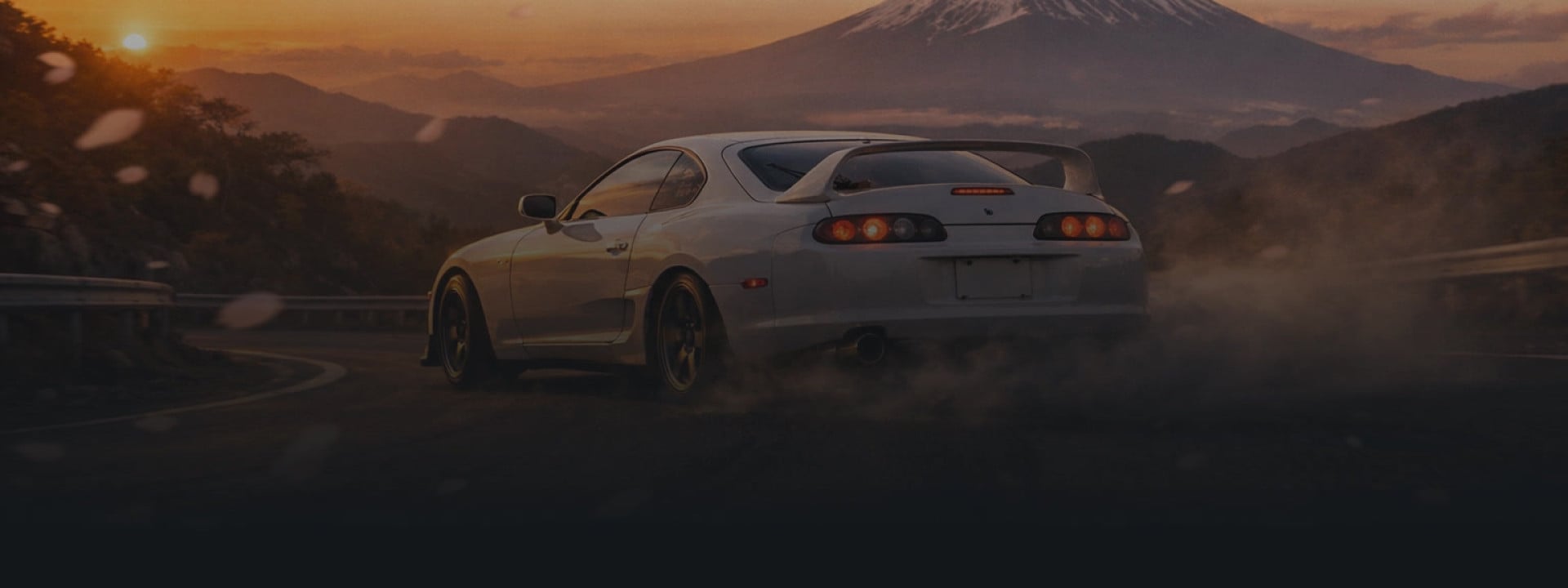
Forza Horizon 6 Japan Map Guide: All Regions, Landmarks and Hidden Locations
The Forza Horizon 6 Japan map is the largest in Horizon history, featuring 662 drivable roads across a wide spread of environments: urban Tokyo, coastal highways, alpine snow regions, rural rice-field roads, and touge mountain passes. Tokyo City alone is five times larger than any previous Horizon urban area, with several distinct driving zones including elevated expressways, a Shibuya-inspired crossing, and Daikoku Parking Area as a permanent Car Meet location. The Gold Wristband unlocks Legend Island, an endgame area that players without full wristband progression cannot access. If you want the wider verdict on the package before diving into the map, our Forza Horizon 6 Review covers the critical and community reaction in full.
This guide covers every region, landmark, and hidden location on the FH6 Japan map:
- The Tokyo districts and urban driving zones
- The touge passes at Mt. Haruna and Bandai Azuma
- The coastal Irabu Ohashi Bridge run
- Legend Island and the Gold Wristband unlock
- The Barn Find and Aftermarket Car hotspot zones
🗾 How Large Is the Forza Horizon 6 Japan Map?
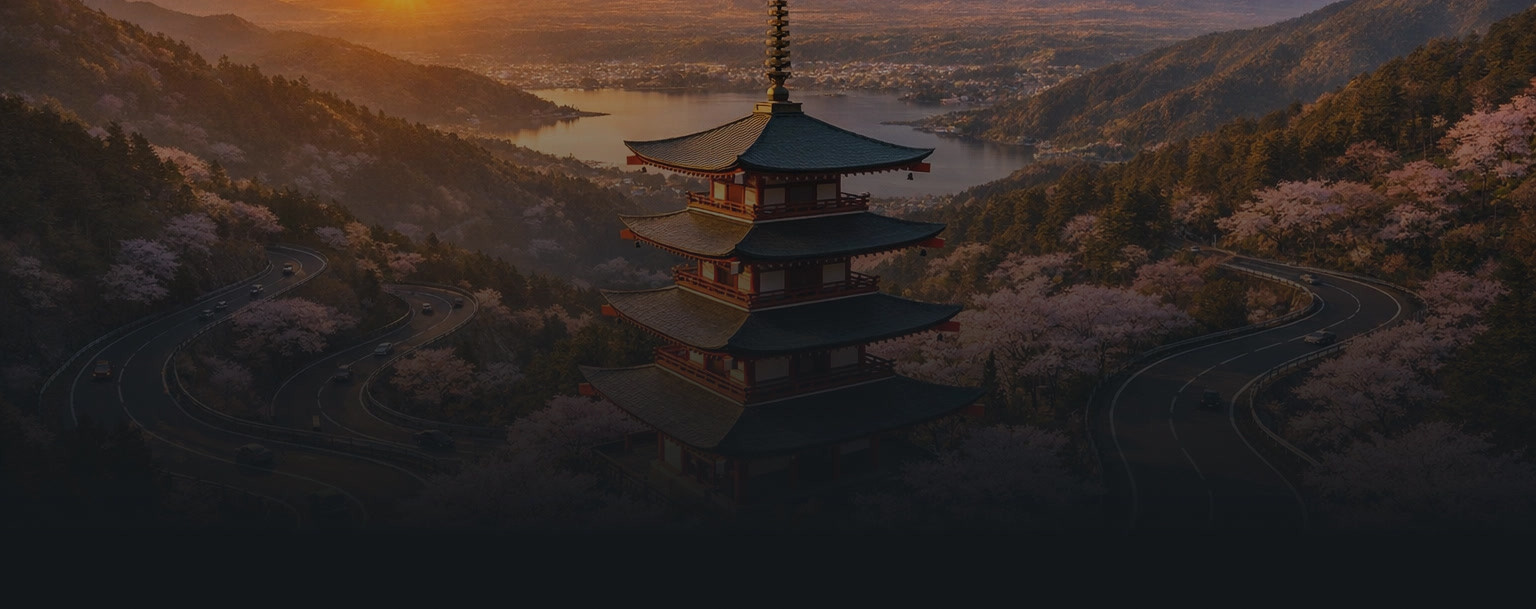
The Forza Horizon 6 Japan map contains 662 drivable roads, making it roughly 14.5% larger by road count than the Forza Horizon 5 Mexico map, which had 578 roads. This road count was reported from pre-release gameplay coverage; Playground Games has not published an official figure.
The map spans a varied set of environments: urban Tokyo, coastal Pacific roads, the alpine snow zone around Bandai Azuma, rural rice-field countryside, and touge mountain passes including Mt. Haruna. Each environment carries a distinct surface type, seasonal variation, and race category:
- Urban Tokyo — dense city streets, elevated expressways and the Shibuya-inspired crossing; city sprints and speed events.
- Coastal Pacific roads — seaside straights, cliff-edge hairpins and the Irabu Ohashi Bridge run; top-speed and danger-sign runs.
- Alpine Bandai Azuma — snow and ice-over-tarmac in winter; cross-country and rally events.
- Rural rice-field countryside — village roads and bamboo paths; the connector zone with Discover Japan stamps.
- Touge mountain passes — tight switchbacks at Mt. Haruna; 1v1 Touge Battles.
Tokyo City alone occupies more map area than any single urban zone in previous Forza Horizon games. Playground Games described Tokyo City as five times larger than any prior Horizon urban area, a scale that's immediately noticeable in-game: driving from the industrial docks to the Shibuya-inspired crossing district takes several minutes at full speed.
FH6 vs FH5: Map comparison at a glance
| Metric | FH6 Japan | FH5 Mexico |
|---|---|---|
| Total drivable roads | 662 | 578 |
| Road count increase | +14.5% | baseline |
| Urban area | Tokyo (multiple driving zones) | Guanajuato (single urban district) |
| Locked area | Legend Island (Gold Wristband) | None |
| Seasonal changes | Yes (all 4 seasons) | Yes (all 4 seasons) |
The raw road count and the scale of the Tokyo urban area are both new franchise highs for FH6.
🏙 What Tokyo Districts and Urban Areas Can You Drive?
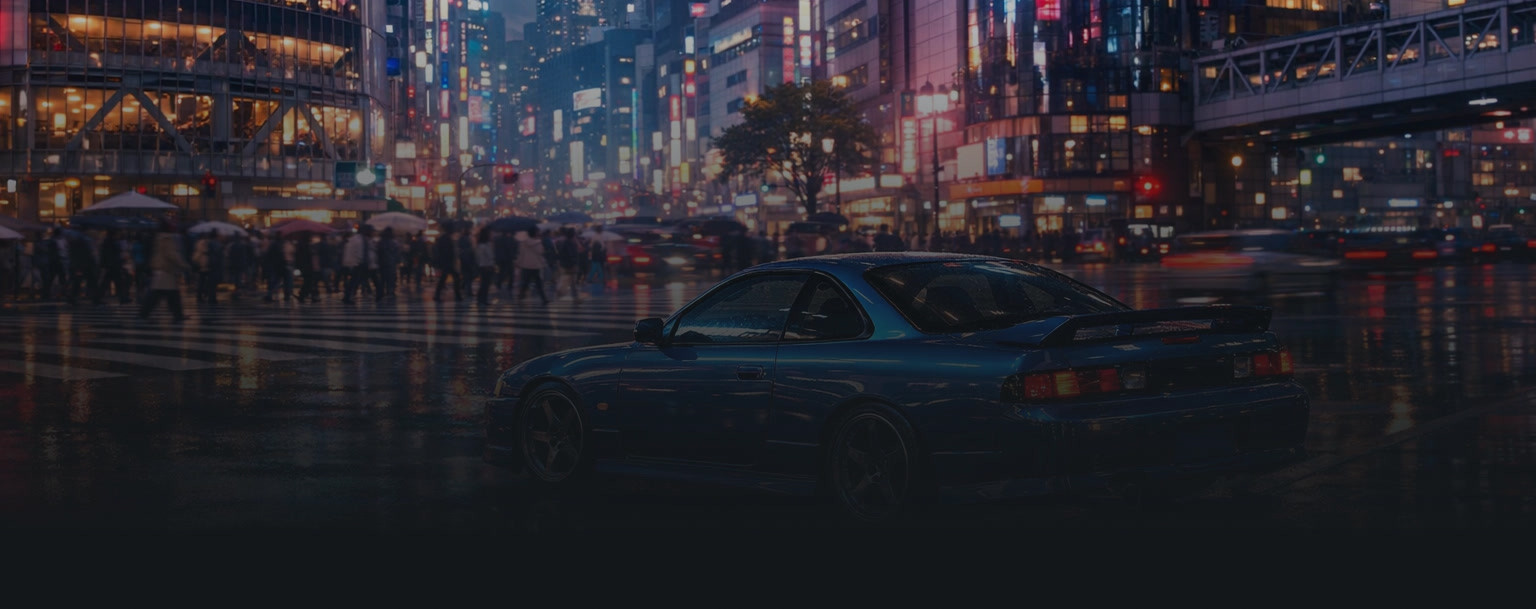
Tokyo in Forza Horizon 6 is broken into several distinct driving zones:
- Downtown financial district — wide boulevards through the city core.
- Shibuya-inspired crossing area — tram lines and pedestrian-scale streets.
- Elevated expressways — multi-level roads above the bay.
- Industrial docklands — container terminals at the eastern bay edge.
- Residential suburbs — extending toward the mountains.
Shibuya Crossing Area
The Shibuya-inspired district in FH6 is the most visually dense area in Horizon history. The streets narrow compared to downtown, with multiple road levels, tight corners, and surface changes from asphalt to cobblestone side streets. This area is the primary location for city sprint races and the base zone for Discover Japan exploration stamps.
The crossing sits at the geographic center of the district. During night cycles and seasonal changes, the district's lighting and crowd density shift visibly. The crossing area captures a recognisable version of Tokyo that reads as accurate without being a 1:1 recreation.
Daikoku PA Car Meet
Daikoku Parking Area (Daikoku PA) in Forza Horizon 6 is one of three permanent Car Meet locations in the game, alongside Okuibuki and the Horizon Festival main stage. In-game, Daikoku PA is an open-world gathering point where players show car builds, initiate Drag Meets, and earn social skill chains by performing donuts and burnouts. If you are chasing those social skill points, our FH6 Skill Points guide covers the best Japan map locations for skill-chain farming.
The real Daikoku Parking Area sits on the Shuto Expressway at Daikoku Pier in Tsurumi-ku, Yokohama, Kanagawa Prefecture, on the Bayshore Route over the bay. From the late 1980s onward, it became Japan's most culturally significant illegal car meet location, featured repeatedly in Best Motoring videos and closely tied to the street tuner scene that gave rise to Initial D and the wider JDM culture. Playground Games chose Daikoku PA for exactly that cultural weight, and the in-game version replicates the circular layout, the elevated view over the bay, and the late-night atmosphere recognizable from years of video documentation.
Industrial Docks
The industrial dock zone sits at the eastern edge of Tokyo's map segment. It features wide straights between container terminals, making it the primary area for early drag racing and high-speed skill chains. Surface type is smooth asphalt throughout, with minimal elevation change.
Elevated Expressways
The elevated expressway network above the bay is a continuous multi-level road system that circles above the docklands and connects to the highway approach roads toward the mountain passes. It's the fastest throughput route across the city and the location of multiple speed trap and speed zone races.
⛰ Where Are the Touge Mountain Passes in FH6?
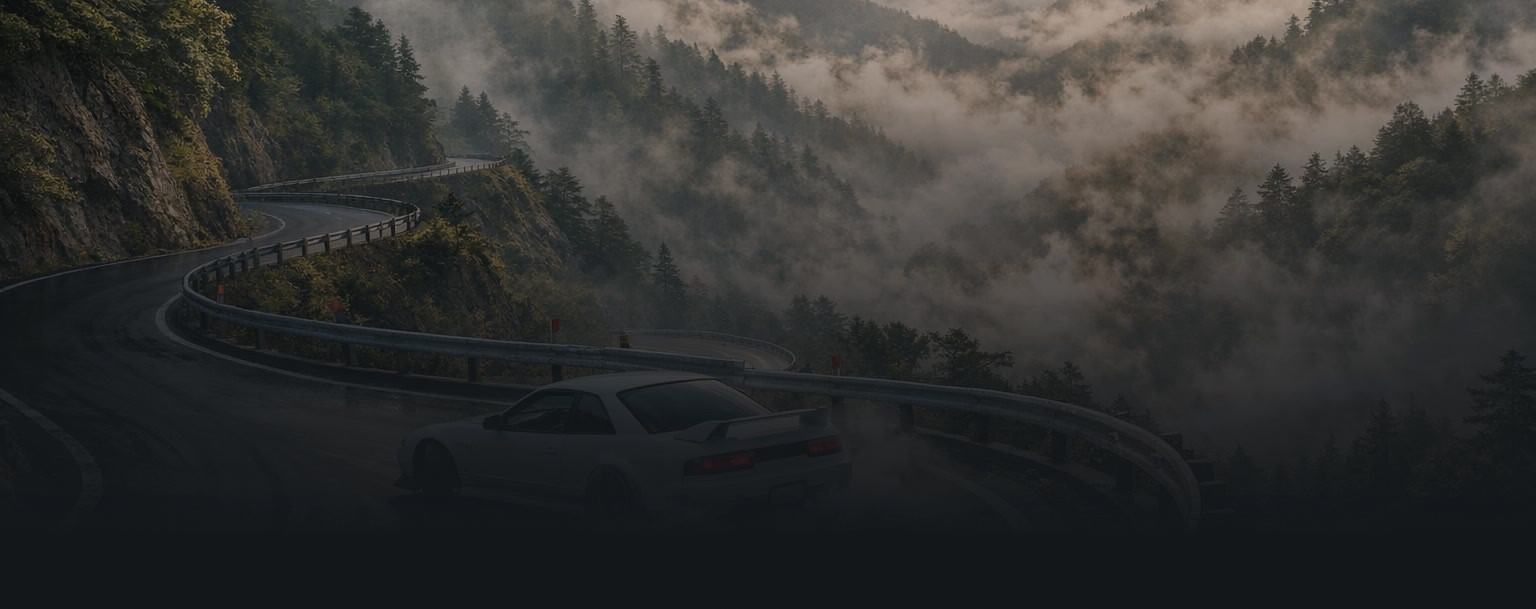
Forza Horizon 6 features two confirmed named touge mountain pass routes: Mt. Haruna and Bandai Azuma. The two cover different terrain types and host different race formats, so knowing which one you're heading to before you set off matters.
Mt. Haruna
Mt. Haruna is a touge mountain pass located in Gunma Prefecture in real Japan. It is the specific location that inspired the racing sequences in Initial D, the manga and anime series by Shuichi Shigeno that ran from 1995 to 2013. In FH6, Mt. Haruna functions as the primary 1v1 Touge Battle location, with a switchback descent route featuring gravel shoulders, elevation drops, and limited sight lines that reward mechanical grip over raw power.
The FH6 Mt. Haruna route is asymmetric: the downhill course is longer and more technically demanding than the uphill. This matches the real mountain's geography, where the descent from the peak has tighter hairpins than the climb. Players completing the Touge King achievement wristband challenge need multiple consecutive wins on this route.
Bandai Azuma Alpine Zone
Bandai Azuma is an alpine road system in the northern section of the FH6 Japan map. In Forza Horizon 6, Bandai Azuma covers the snow biome and connects to the rural rice-field roads through a mountain pass transition zone. Road surfaces include tarmac, ice-over-tarmac in winter, and gravel on the mountain shoulders.
Bandai Azuma is the primary location for cross-country rally events in FH6. The elevation difference from the peak to the valley floor is the largest in the game, giving the area distinct driving characteristics compared to Mt. Haruna's tighter hairpin system.
🌊 What Coastal Roads and Bridges Are in FH6 Japan?
The FH6 Japan map includes a continuous coastal road network running along the Pacific-facing shoreline. The longest single-span road feature on this network is the Irabu Ohashi Bridge.
Irabu Ohashi Bridge is a 3.54-kilometer coastal bridge connecting the Miyako Islands archipelago in Okinawa Prefecture in real Japan. Playground Games incorporated a version of this bridge into the FH6 coastal road network. In-game, the Irabu Ohashi Bridge section is used for top-speed runs and hosts the highest-speed Danger Sign in the game.
The coastal road south of Tokyo connects through seaside sections including cliff-edge hairpins, open bay straights, and several tunnel sections passing through headlands. Surface type transitions between smooth tarmac and weathered coastal asphalt depending on the zone.
🏔 What Rural and Alpine Regions Does the FH6 Map Include?
The rural zone of the FH6 Japan map occupies the central and western portions of the game world, between the Tokyo urban area and the alpine Bandai Azuma zone. It covers rice field plains, bamboo forest paths, and village roads.
Ginkgo Avenue is the most visually distinctive element in the rural zone. It's a road lined with mature ginkgo trees that changes appearance across all four seasonal cycles:
- Summer — green
- Autumn — vivid yellow
- Winter — bare
- Spring — pale green
Ginkgo Avenue appears in multiple Horizon Stories stamp locations and serves as the photography target for several Discover Japan challenges.
The rural zone also contains the initial approach roads to both Mt. Haruna and Bandai Azuma. Players traveling between the Tokyo urban area and the mountain passes move through the rural zone, making it a functional connector rather than an isolated biome.
Snow covers the alpine and upper rural zones during the winter seasonal cycle. This affects surface grip on gravel and the mountain shoulder sections of Bandai Azuma but does not affect the tarmac sections of the elevated expressways or the Tokyo downtown area.
🅿️ Where Is Daikoku PA and How Does It Work as a Car Meet?

Daikoku PA in Forza Horizon 6 is a permanent Car Meet location. Unlike Car Meets in Forza Horizon 5, which required scheduled sessions, FH6 Car Meets are always accessible at their three fixed locations:
- Daikoku PA — the Tokyo-bay car-meet spot, open day or night in any season.
- Okuibuki — the mountain car-meet location.
- Horizon Festival main stage — the central festival hub.
At Daikoku PA, players join open lobby sessions with other players across all platforms (Xbox Series X/S, PC, and PlayStation 5 when the PS5 version launches later in 2026). The Car Meet generates social skill points for donuts, burnouts, and near-miss passes within the parking area boundary. High skill chain scores at Daikoku PA convert into mastery points through the standard skill banking system.
The Drag Meet format at Daikoku PA supports 12 simultaneous players on the straight run adjacent to the parking area, with synchronized starting lights. This format applies at all three Car Meet locations in FH6.
FH6 Rare Cars Service 🚀
Need rare cars from the Tokyo zone without grinding spawn cycles? ArmadaBoost's FH6 rare cars service covers Aftermarket Cars and Barn Find vehicles around the Daikoku PA region. Fast delivery, trusted by 4,000+ players on Trustpilot.
🏝 What Is Legend Island and How Do You Unlock It?
Legend Island is a locked endgame area in the Forza Horizon 6 Japan map. The unlock requirement is the Gold Wristband, the highest tier in the FH6 wristband progression system. Players who have not completed the full wristband chain cannot access Legend Island. It does not appear on the drivable road network until the Gold Wristband is earned.
What's on Legend Island:
- A dedicated set of Horizon Stories missions unique to the island.
- Several Aftermarket Cars spawn locations that do not appear elsewhere on the map.
- A lighthouse landmark used as the Discover Japan Collection Journal's final photography stamp target.
The road network on Legend Island features narrow coastal cliff roads, a central elevated plateau circuit, and a descent route with switchbacks. The island's biome is classified as coastal-alpine, combining elements of both the Pacific shoreline and the mountain pass surface types.
How to unlock (the Gold Wristband path):
- Completing Festival Playlist challenges.
- Completing Horizon Stories chains.
- Finishing the wristband-specific event sequences.
The seasonal events that feed this progression are mapped out in our FH6 Festival Playlist Series 1 walkthrough. A lot of the players we work with at ArmadaBoost hit a wall here, needing specific cars for the wristband events that they don't yet own. ArmadaBoost's FH6 credit services help you get those cars without grinding the lower-tier races repeatedly.
🚗 Where Are Barn Find and Aftermarket Car Hotspot Regions?
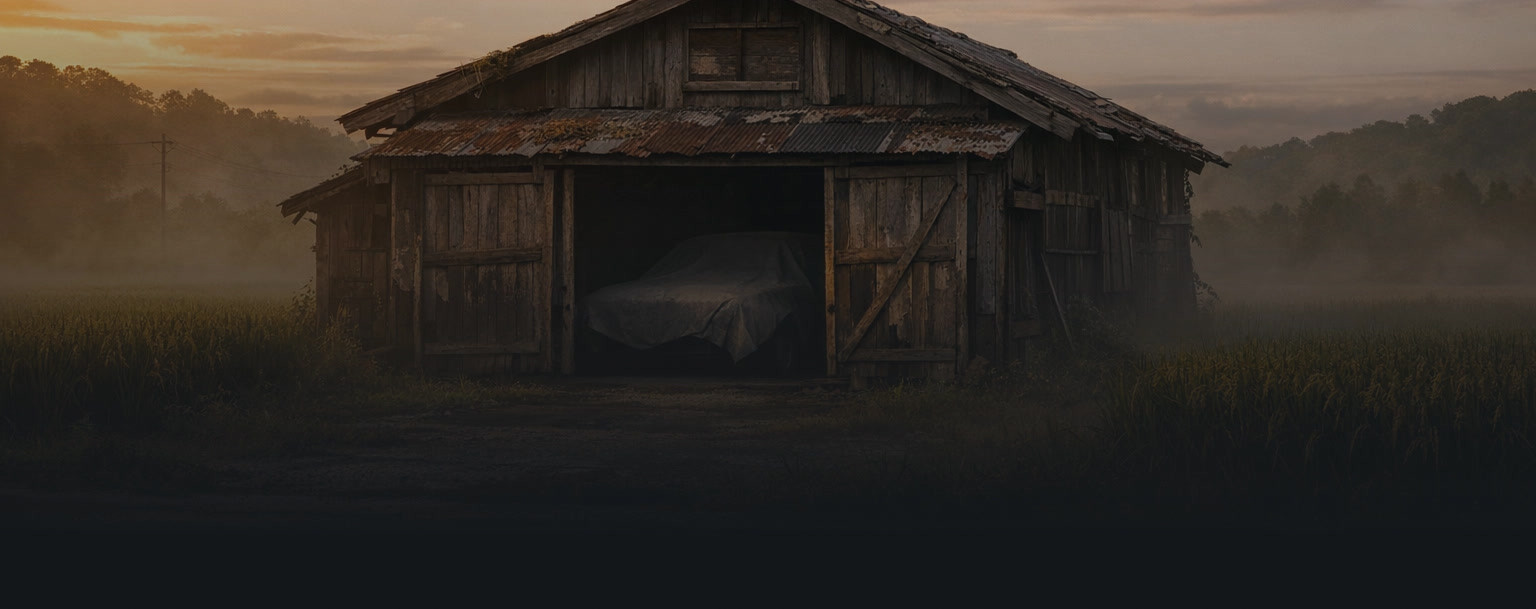
Forza Horizon 6 uses two distinct rare car acquisition systems: Barn Finds and Aftermarket Cars.
| System | How obtained | Where |
|---|---|---|
| Barn Finds | Static discoveries triggered by exploration stamps and community hints, uncovered gradually as you complete map activities. | Fixed locations across the map. |
| Aftermarket Cars | Rotating spawn vehicles that appear at specific regional zones. | Clustered near Car Meet locations (Daikoku PA, Okuibuki, the Festival main stage) and near the Discover Japan stamp points in the rural zone. |
Target Any Rare Car 🚀
Targeting a specific rare car without waiting on spawn cycles? ArmadaBoost's FH6 rare cars service delivers the full Aftermarket Cars catalogue. Your Game. Our Pros. Done.
🇲🇽 How Does the FH6 Map Compare to FH5 Mexico?
The Forza Horizon 5 Mexico map had 578 drivable roads across 11 biomes. The Forza Horizon 6 Japan map has 662 roads. The road count increase is about 14.5%.
The most meaningful comparison for competitive players is urban density. FH5's Guanajuato was a single urban district. FH6's Tokyo is split into several separate urban driving zones. That shift changes city racing substantially: FH6 city events require technical precision in the Shibuya area that FH5's Guanajuato circuit events did not demand.
FH6 also separates its alpine and touge zones as distinct entities with different surface types and race formats: Bandai Azuma (alpine) and Mt. Haruna (touge) are treated as separate systems throughout the game's event structure, each with its own event formats rather than being folded into a single mountain region.
FH5 had no locked map area. FH6 adds Legend Island behind the Gold Wristband gate. This changes the completionist experience: 100% map exploration is now tied to career progression, not just time spent driving.
This comparison covers map size and road structure only. For a full breakdown of gameplay systems, car roster differences, and progression mechanics between the two games, see our Forza Horizon 6 Review.
💬 Why FH6's Japan Map Feels So Realistic
The landmarks players recognise from real car culture
A recurring theme in early coverage is how closely the map mirrors real Japanese driving culture. The three areas that draw the most attention all have a real-world basis:
- Daikoku PA layout — a real meet spot on the Shuto Expressway at Daikoku Pier in Yokohama.
- Mt. Haruna descent — the Gunma touge road that inspired Initial D.
- Shibuya crossing district — one of the most recognisable intersections in the world.
Building places players already know from car culture, rather than generic stand-ins, is what gives the map its sense of place.
The map density debate
The most common critique is that the rural rice-field zone feels lighter on race routes than the dense urban and mountain areas. That mirrors the pattern at FH5's launch, where event density in the quieter regions filled out over later Festival Playlist series.
ℹ️ FAQ: FH6 Japan Map
How big is the FH6 map?
The Forza Horizon 6 Japan map contains 662 drivable roads across a varied set of environments: urban Tokyo, coastal Pacific roads, alpine Bandai Azuma, rural rice-field countryside, and touge mountain passes including Mt. Haruna.
Where is Legend Island in FH6?
Legend Island is a locked endgame area unlocked by earning the Gold Wristband. It's a coastal-alpine island separate from the main Japan map, with its own Horizon Stories missions, Aftermarket Car spawns, and the final photography stamp target for the Discover Japan Collection Journal.
How many roads does FH6 have?
Forza Horizon 6 has 662 drivable roads. This is 84 more roads than Forza Horizon 5's 578-road Mexico map, an increase of about 14.5%.
Is the FH6 map bigger than FH5?
Yes. Forza Horizon 6 has 662 roads versus FH5's 578 roads. The urban area is also significantly larger: Tokyo's multiple driving zones compare to FH5's single urban area in Guanajuato.
Where is Daikoku PA in FH6?
Daikoku Parking Area (Daikoku PA) is located in the Tokyo district of the FH6 Japan map, at the eastern bay edge adjacent to the industrial docks. It is one of three permanent Car Meet locations in the game, alongside Okuibuki and the Horizon Festival main stage.
What are the touge routes in FH6?
Forza Horizon 6 has two named touge mountain routes: Mt. Haruna in the Gunma-inspired mountain zone and Bandai Azuma in the northern alpine area. Mt. Haruna is the primary Touge Battle location for 1v1 events.
What real Japan locations inspired the FH6 map?
Confirmed real-world inspirations include:
- Daikoku Parking Area — Kanagawa Prefecture (Yokohama)
- Mt. Haruna — Gunma Prefecture
- Irabu Ohashi Bridge — Miyako Islands, Okinawa Prefecture
- Shibuya crossing district — Tokyo
What is Ginkgo Avenue in FH6?
Ginkgo Avenue is a rural road in the central map zone lined with mature ginkgo trees. It serves as a Discover Japan photography stamp target and changes visually across all four seasonal cycles, with its most distinctive appearance in autumn when the trees turn vivid yellow.
FH6 Aftermarket Cars 🚀
Hunting rare cars across the FH6 Japan map? ArmadaBoost delivers Aftermarket Cars and Barn Find vehicles without the grind. Trusted by 4,000+ gamers on Trustpilot. Fast delivery, pro players, guaranteed results.
🔗 Related FH6 guides
Going deeper into FH6? These companion guides cover the systems Japan touches:
▸ Forza Horizon 6 Review — is it the best racing game ever made? — full critical and community verdict on the FH6 package.
▸ FH6 Festival Playlist Series 1: Welcome to Japan walkthrough — the seasonal events that actually run across the map you'll explore.
▸ FH6 Skill Points Guide — the best Japan map locations specifically for skill chain farming.
👍 Skip the Drive. Keep the Cars.
Want every Japan landmark, barn find, and rare vehicle without driving 662 roads yourself? ArmadaBoost's FH6 boosters know every corner of this map. Trusted by 4,000+ verified players on Trustpilot with a 4.8-star average rating.

 Success

 Data
updated
Data
updated